
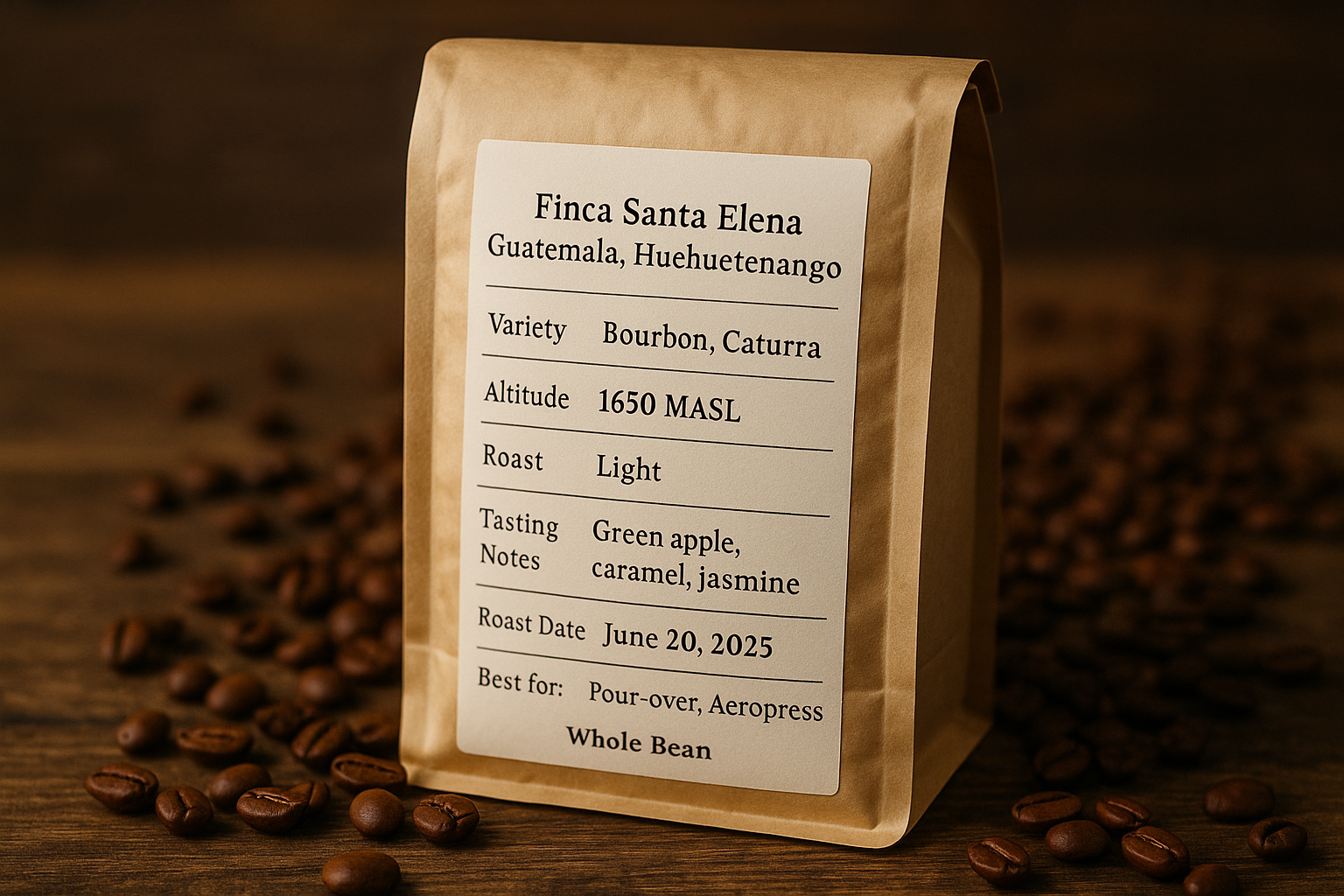
You walk into a specialty coffee shop or browse an online roastery and find a wall of beautifully designed coffee bags.
Each label is adorned with words like washed, natural, single-origin, altitude, tasting notes, and more. But what do these terms actually mean? Are they just marketing, or do they tell you something important about what’s inside?
In the specialty coffee world, labels are more than decoration—they’re clues to the flavor, quality, and origin of the coffee.
This guide will help you understand what you’re really buying when you read a coffee bag, so you can make informed choices and elevate your brewing experience.
Why Coffee Labels Matter
Coffee labels are like roadmaps—they give you insight into:
- Where the coffee was grown
- How it was processed
- The flavor profile you can expect
- The ethical or environmental practices involved
- How fresh the coffee is
- How best to brew it
Understanding these terms helps you choose coffee that matches your taste preferences, values, and brewing methods. It also deepens your appreciation for the journey the beans took—from farm to cup.
Let’s break down the most common (and most misunderstood) coffee label terms.
1. Origin: Country, Region, and Farm
The origin tells you where the coffee beans were grown, and it often includes:
- Country (e.g., Ethiopia, Colombia, Brazil)
- Region (e.g., Yirgacheffe, Huila, Minas Gerais)
- Farm or Co-op Name (e.g., Finca La Esperanza)
Each origin has its own climate, altitude, and soil, which contribute to the bean’s flavor. For example:
- Ethiopia: Floral, citrusy, tea-like
- Colombia: Balanced, sweet, medium body
- Brazil: Nutty, chocolatey, low acidity
- Kenya: Bold acidity, berry-like, winey
Tip:
If you like a certain flavor, remember the origin and region. It’ll help you pick similar coffees in the future.
2. Single-Origin vs. Blend
- Single-Origin: Coffee from one farm, region, or country. Known for clarity and unique flavor.
- Blend: A mix of beans from different origins. Designed for balance and consistency, often used for espresso.
Which is better?
Not better or worse—just different. Single-origins are great for exploring flavor, while blends offer predictability and flexibility.
3. Processing Method
This refers to how the coffee cherry was turned into a green coffee bean. The method has a major impact on flavor.
Common Methods:
- Washed (Wet Process)
Beans are de-pulped, fermented, then washed clean.
→ Flavor: Bright, clean, acidic, transparent. - Natural (Dry Process)
Beans are dried with the fruit still on.
→ Flavor: Fruity, sweet, full-bodied, sometimes funky. - Honey Process
Mucilage (fruit layer) is left on during drying.
→ Flavor: Balanced between natural and washed—sweet and smooth. - Anaerobic / Experimental
Fermented in oxygen-free environments.
→ Flavor: Wild, complex, often fermented or boozy.
Tip:
If you enjoy clean, crisp flavors, choose washed.
If you like bold, jammy notes, go for natural or honey.
4. Variety (or Varietal)
Coffee, like wine grapes, comes in different varieties of Arabica. Some examples:
- Bourbon: Sweet, balanced
- Typica: Mild, classic profile
- SL28 / SL34 (Kenya): Bright acidity
- Gesha (Geisha): Floral, tea-like, complex—often expensive
- Caturra / Catuai: Common in Latin America, versatile
While it’s more subtle than origin or processing, variety can indicate flavor tendencies and quality potential.
5. Altitude
Usually measured in meters above sea level (MASL). For example:
- 1200 MASL
- 1800 MASL
Why it matters:
Higher altitudes tend to produce denser beans with more acidity and complexity. They grow slower, developing deeper flavor.
- Low altitude (<1000 MASL): Milder, less acidic
- Mid (1000–1500 MASL): Balanced, good body
- High (>1500 MASL): Bright, complex, fruity or floral
Altitude isn’t everything—but it’s a useful signal for expected cup character.
6. Roast Level
Commonly shown as:
- Light
- Medium
- Dark
Some brands use creative names like “City Roast,” “Full City,” or “French Roast,” but most fall into these categories.
Roast Profiles:
| Roast Level | Flavor Traits | Best For |
|---|---|---|
| Light | Bright, acidic, origin-forward | Pour-over, drip |
| Medium | Balanced, caramel, mild acidity | Versatile |
| Dark | Bitter, smoky, low acidity | Espresso, milk drinks |
Tip:
If you want to taste origin characteristics, go for light to medium.
If you prefer bold and rich, go darker.
7. Tasting Notes
These are the flavor descriptions, like:
- “Berries, chocolate, floral”
- “Caramel, almond, citrus”
- “Stone fruit, jasmine, honey”
These notes are not added flavors—they’re natural compounds in the beans, revealed during roasting and brewing.
They give a general idea of the sensory experience, but remember:
- Not everyone tastes the same thing.
- Brewing method and water affect flavor.
- They are subjective but helpful.
Tip:
Compare notes on the bag with what you taste. Over time, you’ll build your own flavor memory.
8. Freshness: Roast Date vs. Best-By Date
- Roast Date: Shows exactly when the coffee was roasted. Ideal for freshness.
- Best-By Date: Often 3–12 months after roasting. Less precise.
For peak flavor:
- Use beans within 2–4 weeks of roasting (for filter coffee).
- For espresso, some beans perform better after a 7–10 day rest.
Avoid buying bags without a roast date—freshness matters in specialty coffee.
9. Grind Level (Whole Bean vs. Ground)
- Whole Bean: Stays fresh longer. Grind just before brewing.
- Ground: More convenient but stales faster.
Some bags also specify grind type:
- Espresso grind
- Drip grind
- French press
Always choose whole bean if you have a grinder—it dramatically improves freshness and flavor.
10. Certifications and Ethics
Labels often include badges for sustainability or ethical sourcing. Common ones include:
- Fair Trade Certified: Minimum price guarantee to farmers.
- Organic: Grown without synthetic chemicals.
- Rainforest Alliance: Sustainability and worker welfare.
- Direct Trade: Roaster buys directly from farmers—often higher pay and quality.
Tip:
Certifications are useful, but some of the most ethical roasters don’t use them—they build direct relationships and offer transparency without official labels.
Read the brand’s sourcing story for the full picture.
11. Flavor Intensity or Body Scale
Some brands include strength or body indicators, often using:
- Numbers (1–5)
- Bars or dots
- Descriptors like “mild,” “medium,” “strong”
These are subjective and not standardized, but they help newcomers understand what to expect.
- Mild / Light Body: Tea-like, delicate
- Full / Bold: Creamy, thick, rich
Tip:
Use these as guidelines, not rules. Your brewing method may amplify or mellow body.
12. Brew Method Recommendations
Some labels suggest how to brew the coffee:
- Best for: Pour-over, espresso, French press
- Grind size indicators
- Water temperature tips
These recommendations can help you match your gear to the bean—but feel free to experiment.
Putting It All Together: A Sample Label Decoded
Finca Santa Elena – Guatemala, Huehuetenango
Variety: Bourbon, Caturra
Process: Washed
Altitude: 1650 MASL
Roast: Light
Tasting Notes: Green apple, caramel, jasmine
Roast Date: June 20, 2025
Best for: Pour-over, Aeropress
Whole Bean
What can we learn?
- It’s from a specific farm in a high-altitude region—expect bright, clean flavors.
- Washed process + light roast = clarity and acidity.
- Tasting notes suggest a fruit-forward, floral experience.
- Recommended for filter methods—perfect for pour-over.
With this knowledge, you know exactly what you’re getting—and whether it aligns with your taste preferences.
Final Thoughts: From Confused to Confident
Coffee bag labels can feel overwhelming at first—but once you know what to look for, they become powerful tools. They guide you not just toward better coffee, but toward greater appreciation for the farmers, roasters, and professionals who craft each cup.
Every label is a story. The more you understand the words on the bag, the more meaningful—and delicious—your coffee experience becomes.
So next time you’re shopping for beans, take a moment to read the label. Ask questions. Try something new. Because in that small decision, you’re not just buying coffee—you’re starting a journey of discovery, one cup at a time.
Marcelo Oliveira is a passionate coffee enthusiast and writer who explores every angle of the world’s favorite brew—from its rich history to modern brewing techniques. With a deep appreciation for both tradition and innovation, Marcelo brings clear, engaging insights to help readers enjoy coffee on a whole new level.