
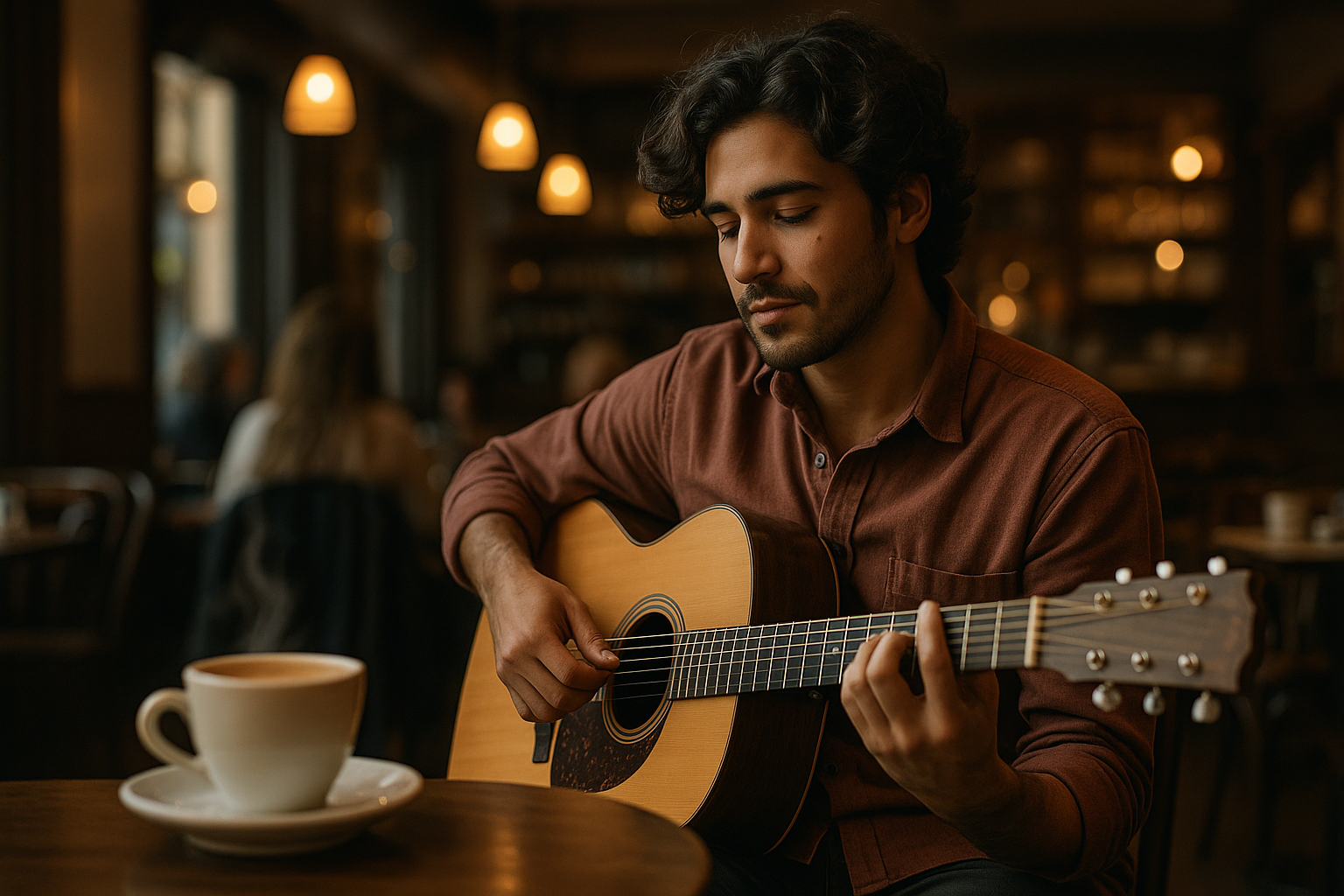
Coffee and music. Two of humanity’s favorite companions—often found side by side in cafés, homes, and cultural hubs around the world.
But the connection between coffee and music isn’t just modern or coincidental.
For centuries, cafés have served as incubators of creativity, especially for musicians and composers. From 17th-century Vienna to 21st-century Brooklyn, these spaces have shaped musical expression, encouraged artistic communities, and helped launch musical revolutions.
This article explores how coffeehouses and music have grown together, and how the aroma of coffee has always gone hand-in-hand with the sound of artistic freedom.
The First Coffeehouses and Their Sounds
The earliest coffeehouses emerged in the Islamic world in the 15th century—places like Mecca, Cairo, and Istanbul.
Along with strong brews and political discussions, many of these venues featured live music, especially traditional instruments like the oud, ney, and tambourine.
Sufi mystics used music and coffee to achieve heightened states of meditation. In this context, music and coffee were spiritual tools.
Even in their earliest forms, coffeehouses were places where music and community naturally intertwined.
Vienna: The Birthplace of the Musical Café
In 17th and 18th century Vienna, the café became more than just a drink stop—it became a musical salon.
The Viennese coffeehouse was a cornerstone of social life. Intellectuals, artists, and musicians met there to exchange ideas, perform, and compose.
Composers like Mozart, Beethoven, and Schubert were known to frequent cafés. Some even performed impromptu concerts for patrons.
Pianos became fixtures in these venues, and many cafés hosted regular performances. Music became part of the café atmosphere—free, casual, yet often brilliant.
These musical cafés played a critical role in the development of Western classical music.
Paris: Bohemian Rhythms and Jazz Nights
In 19th-century Paris, cafés were the epicenter of the bohemian movement.
Writers, painters, and musicians all gathered in places like Café de la Rotonde and Café des Deux Magots, where artistic life unfolded over coffee and cigarettes.
Later, in the 20th century, Paris became a hub for jazz, especially in the Latin Quarter.
American jazz musicians, many escaping racism in the U.S., found a welcoming scene in Parisian cafés. Artists like Duke Ellington and Sidney Bechet performed for appreciative crowds, changing the musical landscape of Europe.
Coffeehouses were no longer just cultural—they were multicultural, global stages for sound and identity.
London and the Coffeehouse Concerts
In London, coffeehouses of the 17th and 18th centuries were known for more than politics and newspapers—they became spaces for concerts.
Many cafés hosted musicians playing violins, harpsichords, and lutes. Audiences paid for coffee and music together.
As the British music scene evolved, pubs took over much of the live music scene, but coffeehouses remained important for classical and acoustic performance.
In the 1960s, folk revival cafés in places like Soho helped launch the careers of British artists who later went mainstream.
Coffeehouses gave new voices a place to be heard—without the need for big record labels or commercial backing.
The American Coffeehouse: Folk, Protest, and Identity
In the United States, coffeehouses have played a particularly political and musical role.
In the 1950s and 60s, cafés in cities like New York, San Francisco, and Boston became strongholds of the folk music revival.
Artists like Bob Dylan, Joan Baez, and Pete Seeger got their start in these intimate venues.
These weren’t just performances—they were statements. Music in the American coffeehouse was a tool for social change.
Songs about civil rights, war, and economic inequality filled the air along with the smell of freshly brewed coffee.
The coffeehouse became a sanctuary for countercultural movements—and for musicians who didn’t fit the mainstream mold.
Coffee and the Singer-Songwriter Movement
The quiet, focused environment of a café is ideal for the singer-songwriter genre.
In the 1970s and 80s, artists like Joni Mitchell, James Taylor, and later Norah Jones and Ed Sheeran continued the tradition of writing intimate, lyrical songs and performing them in cozy cafés.
Coffeehouses offered a space for vulnerability—a room where silence was respected and lyrics mattered.
Many successful artists began performing in local cafés before moving to larger stages. Even today, coffeehouses are seen as stepping stones for independent musicians.
Jazz and Espresso: A Long-Standing Duo
There’s a reason so many jazz records are played in espresso bars. Coffee and jazz share an energy—complex, creative, and improvisational.
Jazz cafés can be found in cities around the world: New York, Tokyo, Paris, Rio de Janeiro.
These venues are often dimly lit, with a warm atmosphere that invites both concentration and spontaneity.
From big bands to solo saxophonists, coffeehouses have supported jazz’s evolution—from mainstream hits to experimental offshoots.
Even in cities without major jazz clubs, there’s usually a small café keeping the genre alive, one espresso at a time.
Indie and Acoustic Scenes in Modern Cafés
In the 2000s, the rise of indie music brought a fresh wave of live performance to coffeehouses.
Cafés became central to college towns and creative districts, hosting open mic nights, acoustic showcases, and album release parties.
Streaming may have changed the music business, but cafés remained local stages for discovery.
Artists brought guitars, loop pedals, and laptops, creating intimate soundscapes. Audiences sipped lattes while discovering new voices—many of whom were producing music from their bedrooms.
The café music scene became a DIY platform in an increasingly digital world.
Lo-Fi and Study Beats: A New Coffeehouse Genre
One of the newest genres tied to coffee is lo-fi hip hop—a chill, instrumental sound often played in cafés and study spaces.
With its soft beats, vinyl crackle, and jazzy melodies, lo-fi evokes a calm, nostalgic mood perfect for working, reading, or relaxing.
Many popular lo-fi YouTube streams feature visuals of animated cafés, steaming cups of coffee, and quiet nighttime cityscapes.
This genre has created a virtual coffeehouse experience for people around the world.
Even without leaving home, millions connect with the café vibe through lo-fi and coffee.
Coffeehouses as Cultural Catalysts
Cafés have never just been places to drink coffee. They are cultural institutions.
They provide safe, welcoming environments for experimentation and self-expression. Musicians often get their first audience in a café, where there’s room for mistakes and moments of magic.
Unlike bars or clubs, coffeehouses don’t require loud volume or big crowds. They allow for intimacy and focus—two essential ingredients for emotional music.
This makes cafés perfect testing grounds for new ideas.
The Barista-Musician Connection
Interestingly, many musicians have worked as baristas while pursuing their music careers.
The flexible hours, creative environment, and steady income allow artists to stay close to their passion.
In some cities, it’s almost a rite of passage. You pour cappuccinos during the day and perform originals at night—sometimes in the very same café.
Coffee culture and music culture support each other in subtle but powerful ways.
Both are about rhythm, routine, and resonance.
Final Thoughts: A Harmony of Brew and Sound
The relationship between coffee and music is timeless and universal.
From Sufi rituals to jazz nights, from protest songs to lo-fi streams, music has always found a home next to coffee.
It’s not just about what we drink or what we hear—it’s about how we gather, share, and feel.
In every great café, there’s more than just caffeine in the air. There’s creativity, conversation, and a quiet hum of inspiration.
So next time you sit in a coffee shop with a playlist in the background or a musician playing live, pause for a moment.
You’re witnessing a tradition that spans centuries—a duet of soul and sound.
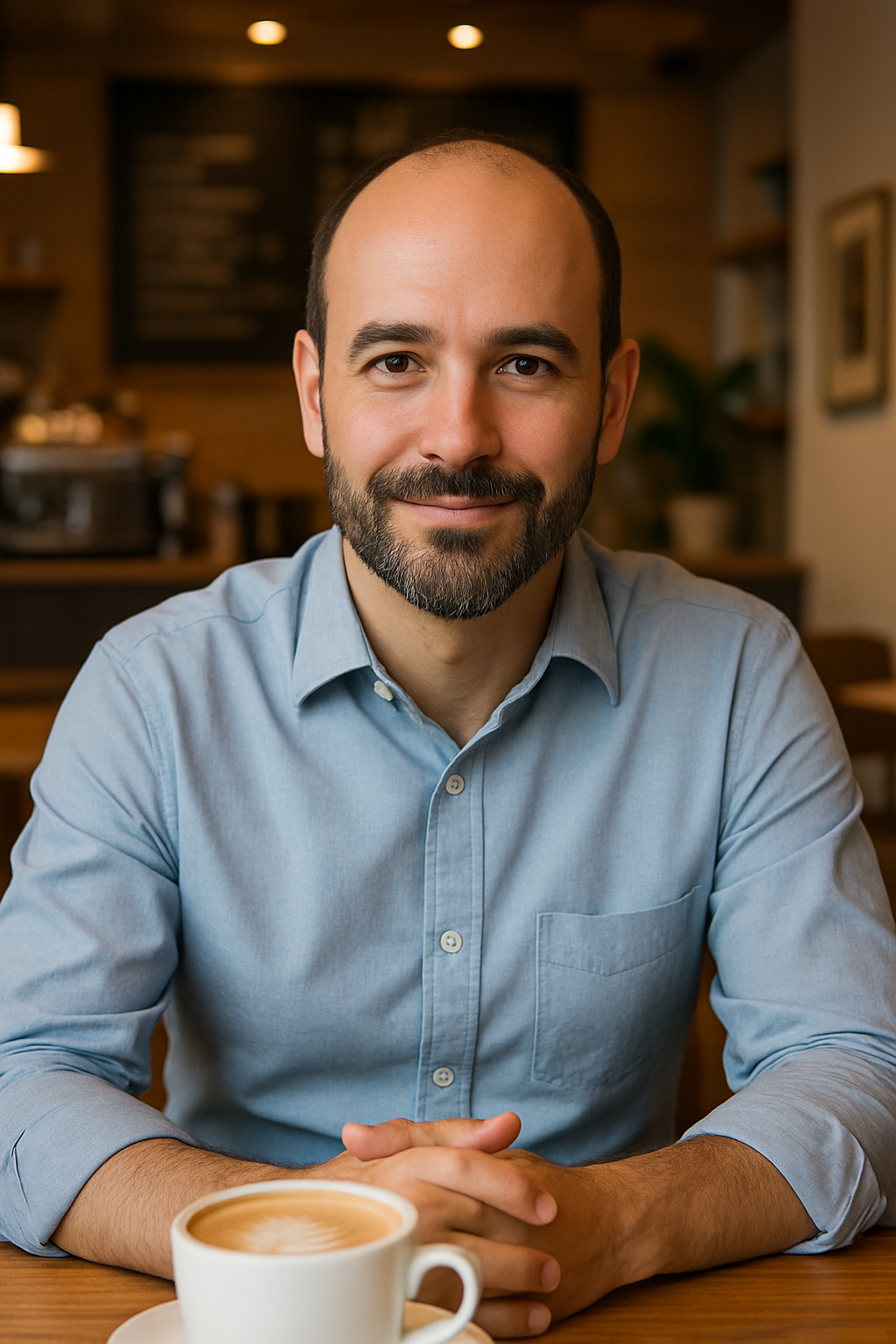
Marcelo Oliveira is a passionate coffee enthusiast and writer who explores every angle of the world’s favorite brew—from its rich history to modern brewing techniques. With a deep appreciation for both tradition and innovation, Marcelo brings clear, engaging insights to help readers enjoy coffee on a whole new level.