
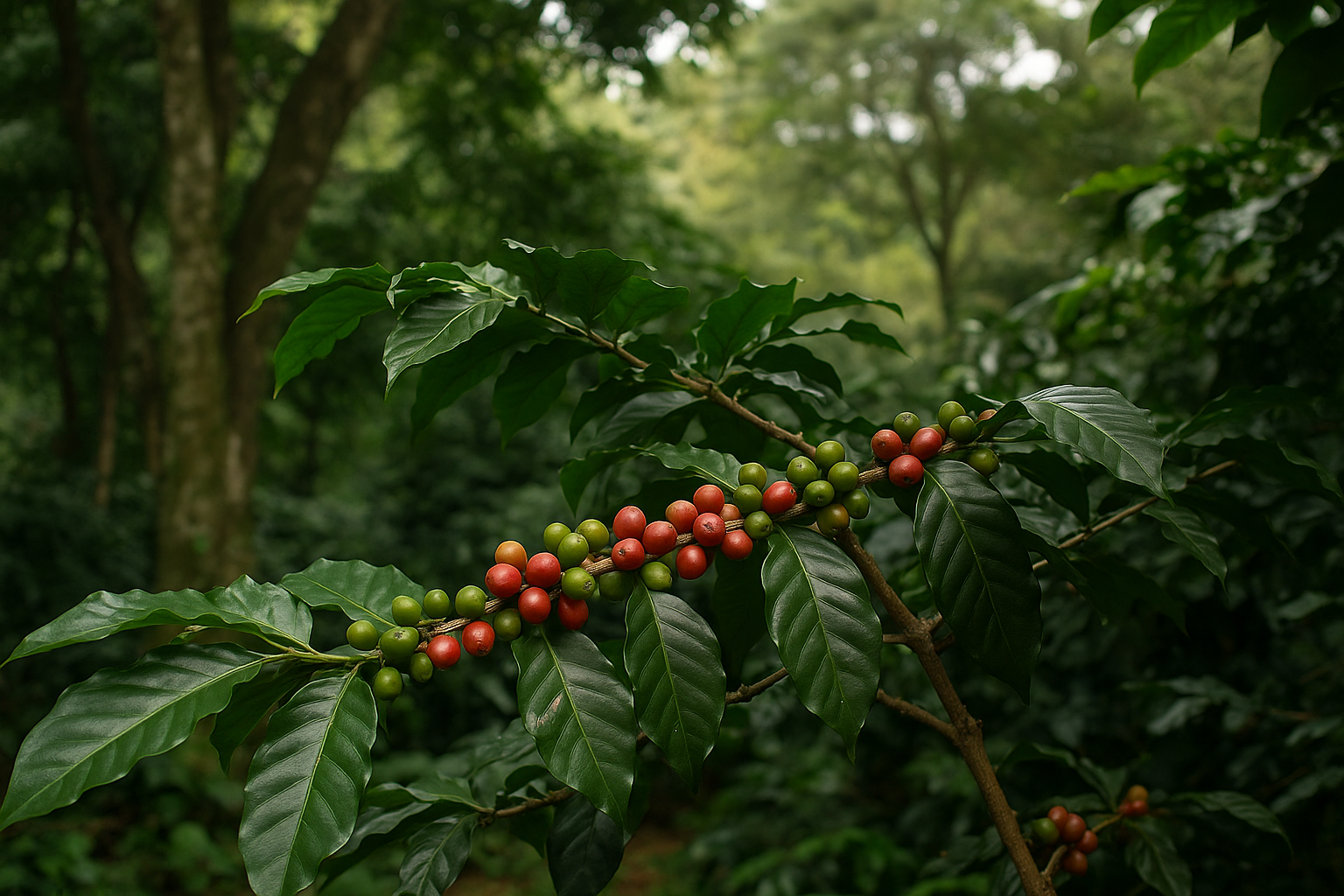
Coffee doesn’t have to cost the earth—literally.
While much of the world’s coffee is grown in large, sun-exposed monocultures, there’s an alternative method that’s better for the planet, the farmers, and even the flavor of your brew: shade-grown coffee.
In this article, we explore what shade-grown coffee really means, why it’s vital for biodiversity and environmental health, and how you, as a consumer, can support this sustainable choice.
What Is Shade-Grown Coffee?
Shade-grown coffee refers to coffee that is cultivated under the natural canopy of trees—usually within or at the edge of forests.
This growing method mimics the plant’s native environment. Originally, coffee evolved as an understory shrub in the Ethiopian highlands, growing beneath taller trees.
Instead of clearing land for maximum sun exposure (as in conventional farming), shade-grown coffee allows trees and other plants to coexist with the coffee bushes.
The result is a healthier ecosystem—and a more resilient coffee farm.
Why Conventional Coffee Farming Is a Problem
To understand the importance of shade-grown methods, it helps to look at what they’re replacing.
Most modern coffee farming is sun-grown. This system:
- Clears trees to maximize space and sunlight
- Relies heavily on chemical fertilizers and pesticides
- Disrupts local wildlife habitats
- Increases soil erosion and water runoff
- Requires more irrigation
Sun-grown monocultures may increase short-term yields, but they come with long-term environmental costs—including loss of biodiversity, degraded soil, and higher carbon emissions.
In contrast, shade-grown coffee is a nature-based solution that restores balance.
The Benefits of Shade-Grown Coffee
Shade-grown systems bring a wide array of ecological and agricultural benefits. Let’s explore the most important ones.
1. Biodiversity Protection
Shade-grown coffee farms are often biodiversity hotspots.
The tree canopy provides habitat for:
- Birds, including migratory species
- Pollinators like bees and butterflies
- Reptiles, amphibians, and small mammals
- Beneficial insects that control pests naturally
In fact, studies show that shade-grown coffee farms can support up to 95% of the species found in native forests.
This makes them an essential buffer between agricultural development and conservation areas.
2. Improved Soil Health
Trees in shade-grown systems help anchor the soil, preventing erosion from wind and rain.
Their fallen leaves act as natural mulch, adding organic matter to the soil and enhancing nutrient cycles.
With healthier soil, farmers don’t need to rely as much on chemical fertilizers. This reduces pollution and lowers production costs.
3. Water Conservation
The canopy of shade trees reduces evaporation and increases water retention in the soil.
Roots also help filter and clean groundwater, which is essential for both farm use and nearby communities.
This is especially important in areas facing climate-induced drought or water scarcity.
4. Carbon Sequestration
Trees absorb carbon dioxide and store it in their trunks, branches, and roots.
A shade-grown coffee farm can act as a carbon sink, helping offset the emissions created by processing, shipping, and roasting.
This makes shade-grown coffee a powerful tool in the fight against climate change.
5. Better Flavor Profiles
Yes, it tastes better too.
Coffee grown in shaded conditions tends to ripen more slowly, which allows sugars and acids to develop more fully.
The result is a more complex, balanced, and often fruitier or floral cup.
Some of the world’s best specialty coffees—especially from Ethiopia, Colombia, and Panama—are shade-grown.
Types of Shade Systems
Not all shade-grown coffee is the same. Farmers use different models based on local climate, goals, and resources.
1. Rustic Shade
This involves planting coffee directly into existing forests with minimal alteration. It maintains the highest level of biodiversity but may yield less.
2. Traditional Polyculture
Coffee is grown alongside fruit trees, legumes, and timber species, providing both shade and additional income for the farmer.
This system supports both ecology and economy.
3. Commercial Polyculture
This model balances shade with productivity. Some trees may be planted specifically to shade coffee, while others are used for fuelwood or fruit.
4. Monoculture with Shade Trees
In this model, coffee is still the main crop, but a few selected tree species are planted at regular intervals to provide cover.
While not as rich in biodiversity, this approach is better than full-sun monoculture.
Challenges Facing Shade-Grown Coffee
Despite the benefits, shade-grown coffee faces several obstacles in today’s market.
1. Economic Pressure
In regions where land is scarce or expensive, farmers may feel pressured to adopt high-yield sun-grown models to remain competitive.
Shade systems often yield less in the short term, even if they’re more sustainable long-term.
2. Lack of Incentives
Farmers who maintain biodiverse, shaded farms often receive no premium for their efforts unless they are certified.
Without market recognition, there’s little financial reason to stay sustainable.
3. Climate Change
Ironically, climate change threatens both sun- and shade-grown systems.
Rising temperatures, unpredictable rainfall, and new pests can challenge traditional farming methods. However, shade systems may offer greater resilience in the long run.
Certifications That Support Shade-Grown Coffee
Several third-party certifications help identify shade-grown or eco-friendly coffee:
- Smithsonian Bird Friendly®: The gold standard for biodiversity and shade.
- Rainforest Alliance: Includes environmental and social sustainability criteria.
- Fair Trade + Organic: Often, but not always, implies shade-grown practices.
- UTZ Certified: Focuses on environmental and ethical production.
Look for these logos or visit a brand’s website to learn more about their farming systems.
How to Find and Support Shade-Grown Coffee
1. Look for Certifications
The easiest way is to look for Bird Friendly® or Rainforest Alliance logos. These indicate sustainable farming with shade requirements.
2. Buy from Small-Batch Roasters
Many specialty roasters clearly list growing conditions, origin details, and sustainability efforts on their packaging or website.
Some even feature interviews with the farmers or co-ops.
3. Ask Questions at Cafés
Don’t be shy—ask your barista or café owner:
- Where is this coffee from?
- Is it grown in a shade system?
- Are the farmers fairly compensated?
If enough people ask, cafés will start sourcing more sustainably.
4. Buy Direct or from Ethical Importers
Buying directly from producers or ethical importers ensures your money supports shade-grown systems more effectively.
Look for brands that practice direct trade or share profit with farming communities.
5. Support Agroforestry Projects
Organizations like Trees for the Future, Agroforestry.org, and Rainforest Foundation work with farmers to restore forests while growing food—including coffee.
Even small donations help expand these programs.
Final Thoughts: A Better Brew for the Planet
Shade-grown coffee represents one of the most practical and impactful solutions in the world of sustainable agriculture.
It protects wildlife, water, and soil. It helps farmers build resilient systems. It even delivers a superior cup of coffee.
But perhaps most importantly, it reminds us that the way we grow food doesn’t have to destroy the planet. In fact, it can restore it.
By choosing shade-grown coffee, you’re not just buying a beverage—you’re investing in a healthier, greener, and more just future for both people and the planet.
And that’s something worth waking up for.

Marcelo Oliveira is a passionate coffee enthusiast and writer who explores every angle of the world’s favorite brew—from its rich history to modern brewing techniques. With a deep appreciation for both tradition and innovation, Marcelo brings clear, engaging insights to help readers enjoy coffee on a whole new level.