

If you’ve spent time in specialty coffee shops or browsed gourmet coffee online, you may have encountered the phrase “Third Wave Coffee.”
But what exactly does it mean? More than just a marketing buzzword, the third wave represents a cultural, agricultural, and philosophical shift in how coffee is sourced, prepared, and appreciated.
Understanding third wave coffee means understanding a transformation—one that moves coffee from being a commodity to being an artisanal product, celebrated like fine wine or craft beer.
This article explores what the third wave is, where it came from, what it values, and how it’s changing the way we consume and connect with coffee today.
The Evolution of Coffee Culture: Three Waves
To fully grasp the third wave, we need to briefly revisit the first two waves that shaped modern coffee culture.
First Wave: Coffee as a Commodity (1800s–1970s)
The first wave was all about accessibility and convenience. Coffee was introduced to the masses through:
- Mass production
- Instant coffee innovations
- Supermarket branding
Brands like Folgers and Maxwell House dominated this era. Coffee was viewed as an everyday fuel—cheap, caffeinated, and functional. Quality and origin were secondary to availability and price.
Second Wave: Coffee as Experience (1980s–Early 2000s)
In the second wave, companies like Starbucks and Peet’s Coffee redefined coffee as a social and lifestyle experience. This wave emphasized:
- Espresso-based drinks (lattes, cappuccinos)
- Café environments
- Branding and community
- Some origin labeling and freshness
Coffee drinkers became more aware of origin and flavor, but the emphasis was still on the product as a branded experience, not a handcrafted one.
Third Wave: Coffee as Craft (Mid-2000s–Present)
Enter the third wave—a movement fueled by passion for quality, transparency, ethics, and artisanal methods. Third wave coffee sees coffee not as a commodity, but as a culinary product worthy of deep appreciation.
This wave focuses on:
- Single-origin sourcing
- Direct trade and ethical practices
- Light roasting to highlight flavor
- Manual brewing methods
- Transparency in production and processing
- Elevating farmers as artisans
It’s not about status or speed. It’s about slow coffee, deep flavor, and a connection to the journey from farm to cup.
Defining Third Wave Coffee
While there’s no official governing body defining the third wave, the movement is generally described by a few core principles:
1. Traceability and Origin Transparency
Third wave roasters and cafés take pride in listing:
- The country, region, and often farm of origin
- Variety of the coffee plant
- Altitude and processing method
Knowing where your coffee comes from is essential, not only for flavor but for ethical accountability.
2. Direct Trade and Farmer Relationships
Unlike fair trade (which focuses on minimum pricing), third wave coffee often involves direct relationships between roasters and farmers. This allows for:
- Higher premiums for quality
- Long-term partnerships
- Encouragement of sustainable farming practices
It’s a more intimate, mutually beneficial model.
3. Light Roasting Profiles
Traditional roasts often mask flavors with bold, smoky notes. In contrast, third wave coffee:
- Uses light to medium roast levels
- Aims to highlight origin characteristics
- Embraces acidity, fruitiness, and complexity
Roasting is no longer just about caramelizing sugars—it’s about precision and restraint.
4. Manual Brewing Methods
Forget automatic drip machines. Third wave cafés celebrate:
- Pour-over (e.g., V60, Chemex)
- AeroPress
- French press
- Siphon brewers
- Cold brew immersion
These methods provide control and consistency, unlocking subtleties in the cup.
5. Barista as Artisan
In this wave, baristas are not button-pushers—they’re craftspeople. Barista skills include:
- Dialing in grind size and dose
- Monitoring extraction times
- Mastering milk texturing
- Latte art and customer education
Baristas are often trained extensively and respected as culinary professionals.
How the Third Wave Is Changing the Coffee Industry
The third wave has reshaped not just coffee shops, but the entire value chain—from farm to consumer. Here’s how:
Higher Quality Standards
With an emphasis on cupping scores, roasters are now sourcing coffees that reach a minimum of 80 points (specialty grade). These standards push producers to innovate, from picking riper cherries to experimenting with fermentation.
Sustainability and Ethics
Many third wave companies prioritize:
- Organic or regenerative farming
- Reduced water use
- Biodiversity preservation
- Fair and timely payments to producers
This makes third wave coffee more environmentally and socially conscious.
Price and Value Shift
Third wave coffee is more expensive. But you’re paying for:
- Ethical labor
- Premium green beans
- Skillful roasting
- Thoughtful brewing
Consumers are more willing to pay $4–6 for a cup when they understand the value behind it.
Innovation in Coffee Processing
Producers are experimenting with:
- Anaerobic fermentation
- Honey processing
- Natural drying under controlled environments
These methods create new flavor experiences and add value at the farm level.
Consumer Education
Cafés now host:
- Public cuppings (tastings)
- Brewing workshops
- Origin talks and traceability reports
The idea is to elevate coffee literacy and foster appreciation for nuance and complexity.
Is the Third Wave for Everyone?
While the third wave has its champions, it also has critics. Some common concerns include:
- Accessibility: Not everyone can afford a $20 bag of coffee.
- Pretentiousness: Over-emphasis on detail can alienate newcomers.
- Convenience trade-off: Manual brewing takes time and effort.
- Flavor preferences: Not everyone enjoys acidic or fruity profiles.
But overall, the movement encourages inclusivity through education, and many brands are working to democratize specialty coffee by offering subscription models and approachable entry-level options.
How to Explore Third Wave Coffee at Home
You don’t need to live near a hipster café to enjoy third wave principles. Here’s how you can bring the movement into your kitchen:
1. Buy Specialty Beans
- Look for labels with origin, process, and roast date
- Support local roasters or ethical online brands
- Choose light or medium roasts to start
2. Grind Fresh
Use a burr grinder for consistent particle size, which leads to better extraction and flavor clarity.
3. Use Manual Brewing Methods
Start with:
- V60 for clarity
- French press for body
- AeroPress for travel and experimentation
Learn proper techniques for each method to optimize results.
4. Control Your Water
Use filtered water, and aim for:
- Temperature: 195–205°F (90–96°C)
- Ratio: Around 1:15 (coffee to water)
Water quality and temperature are huge factors in taste.
5. Taste and Take Notes
Practice cupping at home:
- Smell the dry grounds
- Brew with precision
- Slurp to spray coffee across the palate
- Note acidity, body, sweetness, aftertaste
This deepens appreciation and refines your palate.
The Future of Third Wave Coffee
As the third wave matures, several trends are emerging:
- Fourth Wave? Some predict a “fourth wave” centered on science, data, and even more transparency.
- More tech: Smart brewers, apps, and sensors are entering the home brewing space.
- Global growth: Specialty coffee is booming in Asia, Africa, and South America.
- Hybrid shops: Cafés that blend third wave ethics with traditional comfort and speed.
- Decaf reinvention: Specialty decaf is on the rise with better processing methods.
The third wave is not a passing trend—it’s a cultural shift, and it continues to evolve with each cup brewed and shared.
Final Pour: Why It Matters
At its heart, the third wave of coffee is about respect—for the farmer, for the bean, for the process, and for the drinker. It asks us to slow down, to notice the details, and to acknowledge the labor and artistry behind our morning ritual.
By embracing third wave principles, we become more than consumers—we become participants in a global community that values quality, sustainability, and connection.
So the next time you sip a single-origin pour-over, know that you’re not just drinking coffee. You’re tasting the result of innovation, intention, and passion that stretches from a mountaintop farm to your hands.
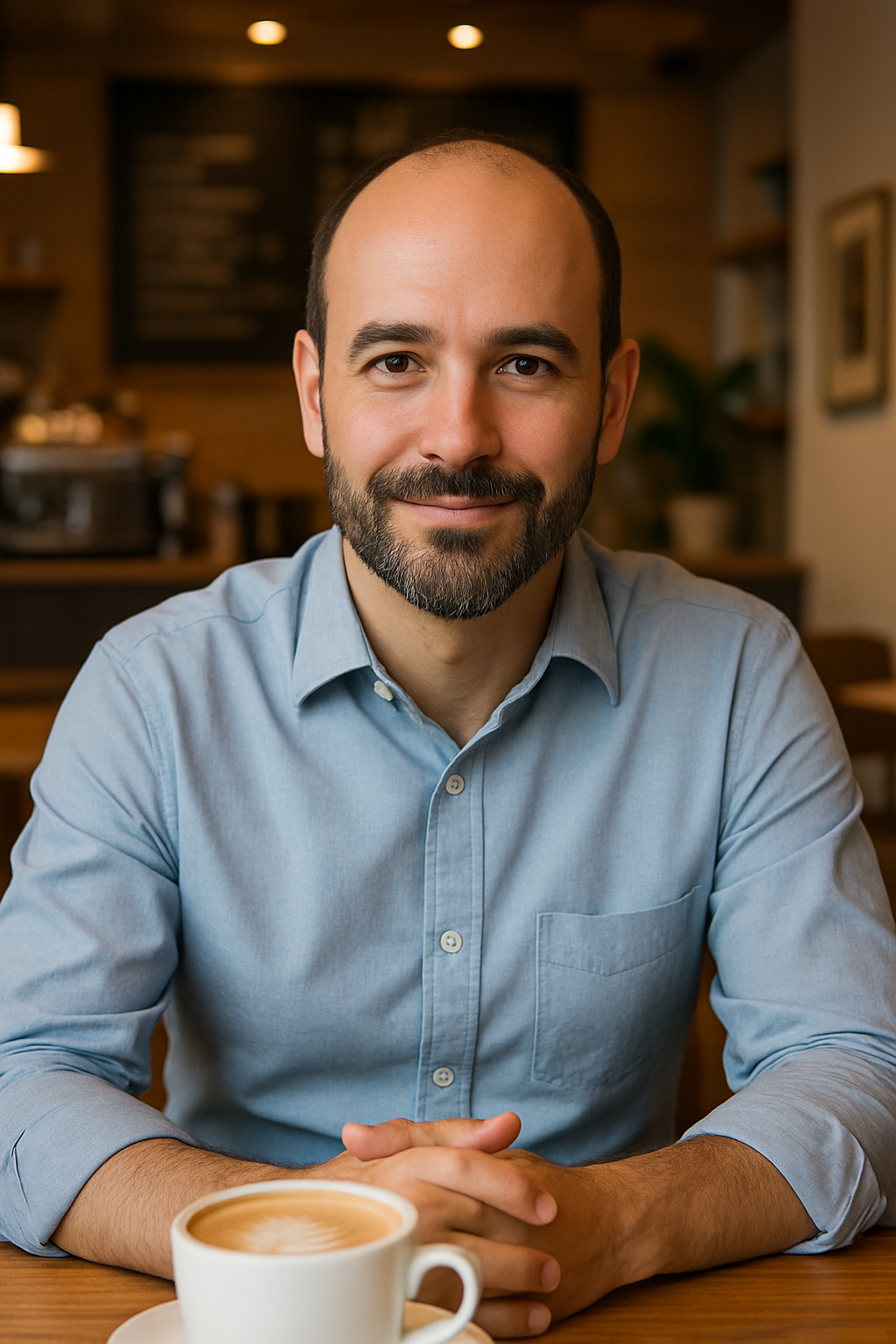
Marcelo Oliveira is a passionate coffee enthusiast and writer who explores every angle of the world’s favorite brew—from its rich history to modern brewing techniques. With a deep appreciation for both tradition and innovation, Marcelo brings clear, engaging insights to help readers enjoy coffee on a whole new level.