
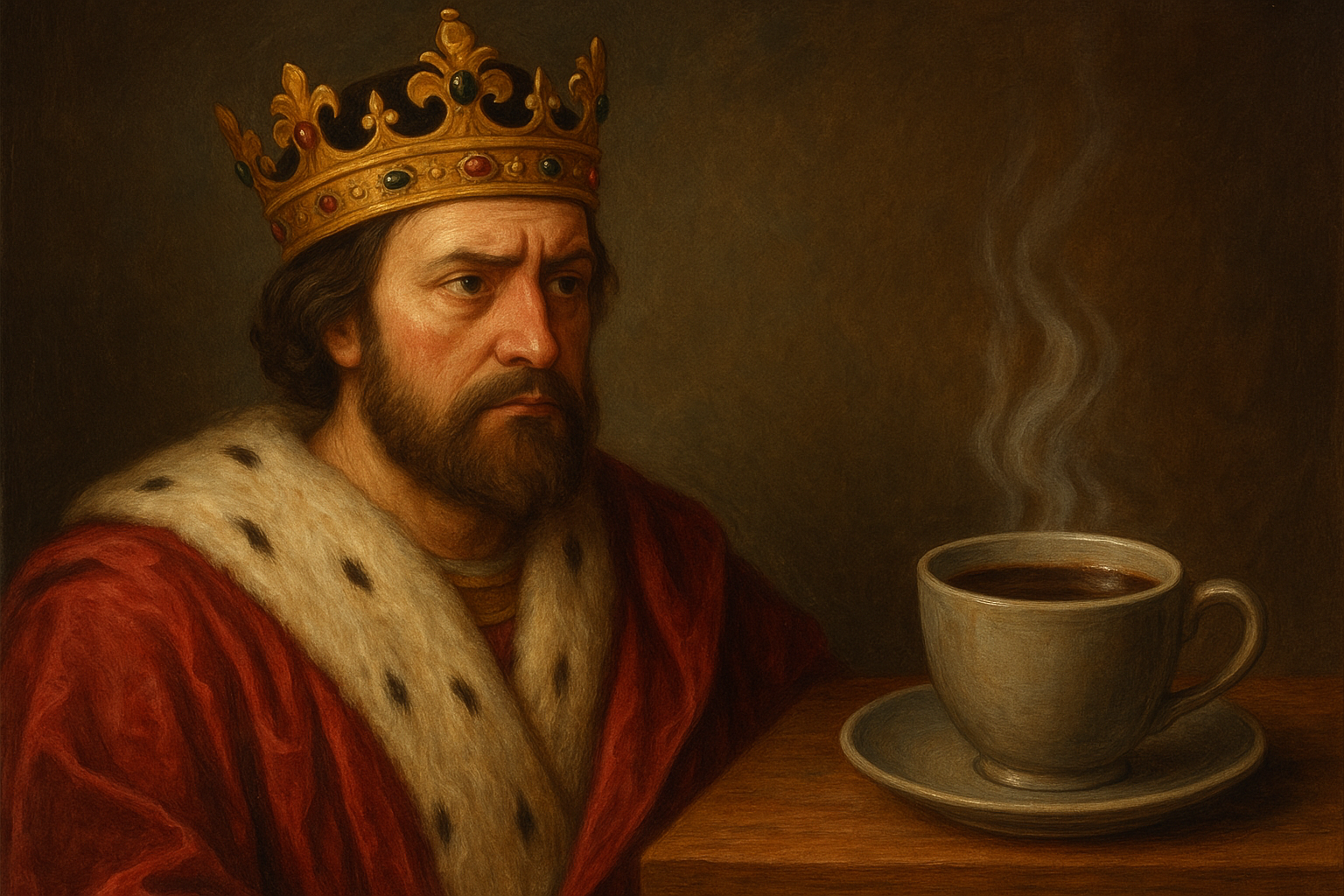
Coffee, more than just a morning ritual, has a rich and subversive past. From the smoky coffeehouses of 17th-century London to the revolutionary salons of Paris, this dark beverage has been linked not only to creativity and commerce but also to rebellion and radical thought.
Its stimulating effects on the mind made it a favorite among philosophers, writers, and revolutionaries. As a result, coffee was often viewed with suspicion by monarchs and authoritarian regimes.
This article explores how coffee became a silent partner in some of the world’s most transformative political and cultural revolutions.
The Birth of the Coffeehouse: A Breeding Ground for Ideas
The first public coffeehouses began to emerge in the Islamic world around the 15th century, particularly in cities like Mecca, Cairo, and Istanbul. Known as qahveh khaneh, these establishments quickly became more than just places to drink coffee. They were hubs of social interaction, music, poetry, and most importantly, political discussion.
When coffee made its way to Europe in the 17th century, coffeehouses began to appear in cities like Oxford, London, and Paris. These spaces were vastly different from taverns. Alcohol dulled the senses, but coffee sharpened them.
Writers, thinkers, merchants, and politicians gathered in these spaces, exchanging ideas that would eventually shape modern democracy, capitalism, and scientific discovery.
Coffee and the Enlightenment: Fueling a New Age
The Enlightenment was a period of intense intellectual and cultural activity, and coffee played an unexpected role in it. As European society began to shift from religious authority to reason and empirical thinking, coffee became the preferred beverage of the intellectual elite.
Voltaire, Rousseau, Kant, and even Benjamin Franklin were all known to frequent coffeehouses. These venues allowed people of different social classes to meet and exchange ideas, which was revolutionary in itself.
It’s no surprise that coffeehouses were sometimes referred to as “penny universities.” For the price of a cup of coffee, one could engage in stimulating discussions with philosophers, writers, and reformers.
Coffee and the American Revolution
In the American colonies, tea had long been the drink of choice, especially among the British loyalists. However, the Boston Tea Party in 1773 sparked a boycott of British tea. In response, many Americans turned to coffee as a political statement.
Drinking coffee became a form of resistance—a way to reject British control and assert American independence.
Founding Fathers like Thomas Jefferson and John Adams were known coffee drinkers. Jefferson once described coffee as “the favorite drink of the civilized world.”
In many ways, the rise of coffee in the American colonies symbolized a break from British tradition and a movement toward a new identity.
Revolutionary France and the Café Culture
During the French Revolution, coffeehouses in Paris were buzzing with political debate. These cafes became the stomping grounds of radical thinkers and revolutionaries who were plotting to overthrow the monarchy.
The Café Procope, one of the oldest coffeehouses in Paris, played a crucial role in this period. It hosted some of the most influential figures of the time, including Robespierre, Danton, and Marat.
The French Revolution was fueled by ideals of liberty, equality, and fraternity. Cafés were the breeding ground for these ideas, where common citizens could openly criticize the king, the church, and the aristocracy.
Coffee, therefore, became a symbol of modern thought and democratic ideals.
Monarchs Who Feared the Bean
Not everyone was thrilled with coffee’s growing popularity. In fact, several monarchs and religious authorities saw it as a direct threat to their power.
In the 16th century, the Ottoman Sultan Murad IV outlawed coffee and punished those who drank it. He believed it encouraged sedition and rebellion. In Mecca, coffee was banned in 1511 for similar reasons—it was feared to inspire revolutionary thoughts and gatherings.
In 1675, King Charles II of England issued a proclamation to suppress coffeehouses, accusing them of spreading “false news.” Although the ban was quickly lifted due to public backlash, it shows how coffeehouses were perceived as dangerous to authority.
Coffee as a Catalyst for Change
The connection between coffee and change isn’t just historical. In modern revolutions and social movements, coffee has continued to serve as a symbol of free speech and democratic ideals.
In the 20th century, cafes in cities like Havana, Prague, and Cairo played similar roles to their 18th-century counterparts. They became meeting places for artists, activists, and political dissidents.
Coffee fueled conversations that led to protests, publications, and in some cases, revolutions.
The Rise of Intellectualism Over Intoxication
Before coffee became widespread in Europe, alcohol was the primary beverage consumed, even at breakfast. Beer and wine were safer to drink than water, and drunkenness was a normal state for many.
Coffee changed that.
As it replaced alcohol in daily life, especially in the workplace and social gatherings, productivity and intellectual clarity improved. People were now alert, engaged, and eager to debate ideas rather than fall into drunken stupors.
This shift helped give rise to the scientific revolution, capitalism, and modern forms of government.
The Café as a Symbol of Free Expression
Today, coffeehouses are still linked to creativity and free expression. Writers work on novels in coffee shops, students hold study groups, and activists organize events.
Starbucks may not be plotting revolutions, but the spirit of the traditional coffeehouse lives on.
Independent cafes around the world often serve as community centers, where locals gather not just to drink coffee, but to discuss politics, culture, and change.
Whether in a remote town or a major city, coffeehouses remain places where ideas are born and shared.
From Bean to Brain: Why Coffee Matters
The physiological effects of coffee also explain its revolutionary role. Caffeine, the active ingredient, stimulates the central nervous system. It enhances alertness, concentration, and energy levels.
This makes it the ideal drink for thinkers and dreamers.
It’s no coincidence that so many revolutionary thinkers, writers, and artists were heavy coffee drinkers. They needed something to keep them awake during long nights of writing, planning, and dreaming of a better world.
Coffee didn’t just wake them up—it woke up entire societies.
Final Thoughts: More Than Just a Beverage
Coffee’s history is not just about agriculture, trade, or culture. It’s about ideas—dangerous, transformative, world-changing ideas.
In every era where progress has surged forward, coffee wasn’t far behind. It traveled through the hands of merchants, thinkers, and rebels, becoming part of a global movement toward freedom, knowledge, and self-expression.
So the next time you sip your espresso or pour-over, remember that you’re partaking in a tradition that once threatened kings and inspired revolutions.
Coffee is more than just a drink. It’s a legacy of thought, rebellion, and change.
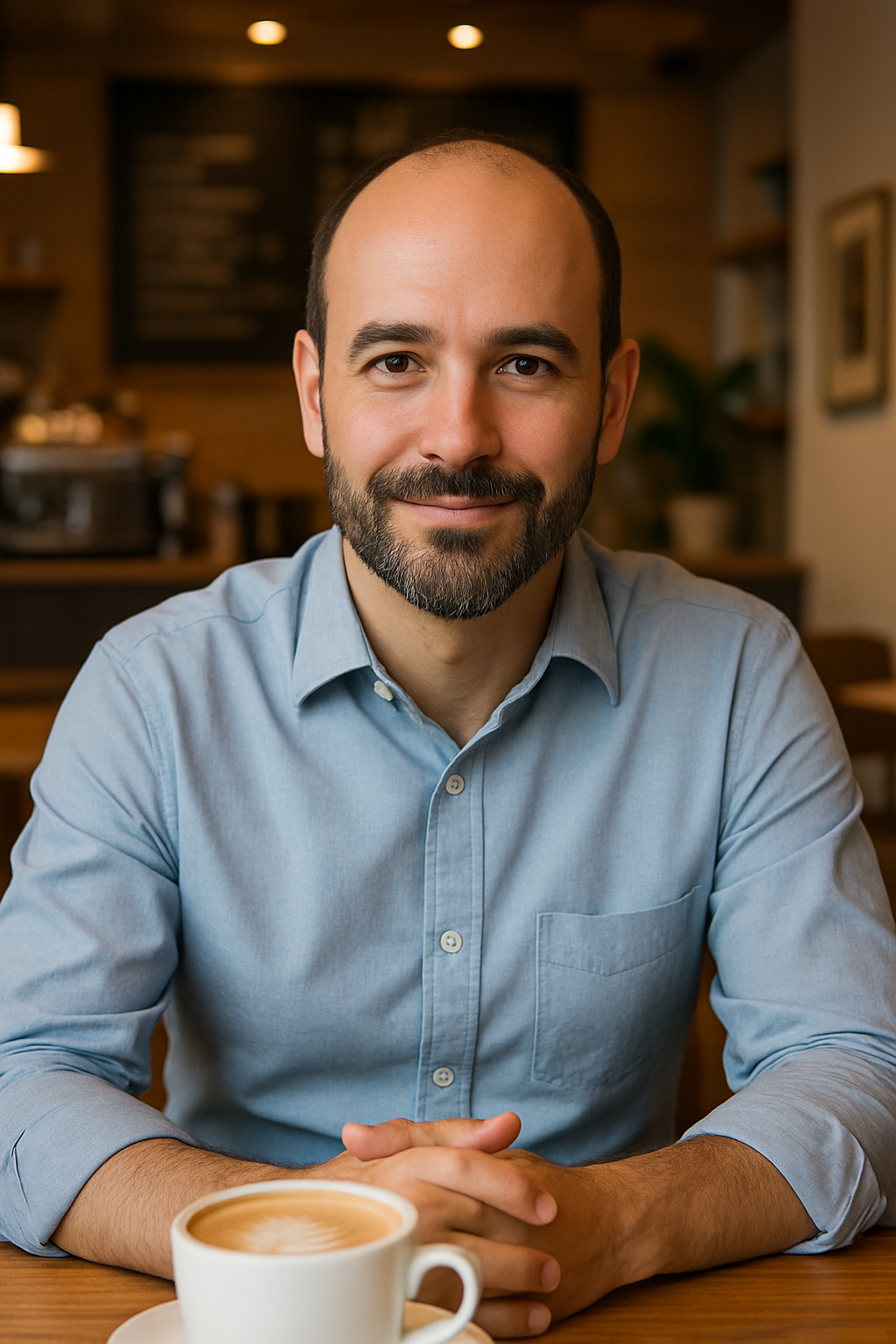
Marcelo Oliveira is a passionate coffee enthusiast and writer who explores every angle of the world’s favorite brew—from its rich history to modern brewing techniques. With a deep appreciation for both tradition and innovation, Marcelo brings clear, engaging insights to help readers enjoy coffee on a whole new level.