
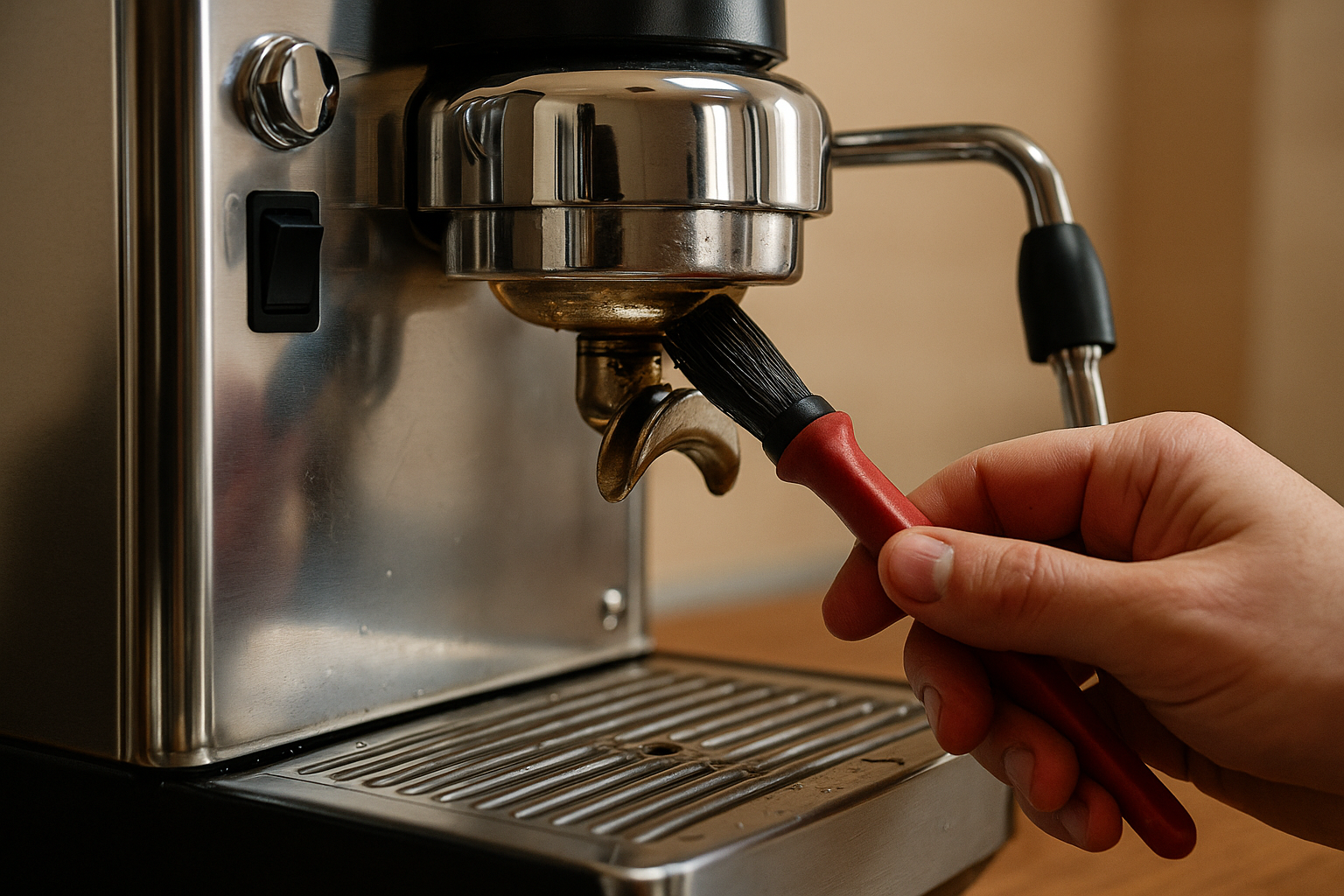
Owning an espresso machine is a great way to enjoy high-quality coffee at home—but with great crema comes great responsibility.
If you want your espresso machine to last, deliver consistent flavor, and stay safe to use, regular cleaning and descaling are essential.
But cleaning improperly—or using the wrong tools—can do more harm than good.
In this 2025 guide, we’ll walk you through exactly how to clean and descale your espresso machine safely and effectively, no matter what type you own.
Let’s protect your investment and make sure your morning brew tastes amazing every time.
Why Cleaning Your Espresso Machine Matters
Every shot of espresso leaves behind:
- Oils from coffee beans
- Mineral deposits from water
- Milk residue from steaming
If not cleaned regularly, these build up and cause:
- Bitter or sour taste
- Inconsistent pressure and flow
- Slow heating or steam issues
- Mold and bacteria in hidden parts
- Permanent damage to internal components
Neglecting cleaning doesn’t just affect taste—it can shorten the life of your machine or void your warranty.
Daily, Weekly, and Monthly Maintenance: What to Know
Let’s break cleaning down into simple routines based on how often each task should be done.
🧼 Daily Maintenance (After Each Use)
- Wipe group head and portafilter
- Rinse portafilter basket and screen
- Purge steam wand and wipe it down
- Empty and rinse the drip tray
- Run a blank shot to flush the system
These small steps take just a few minutes but keep your machine in excellent shape.
🧽 Weekly Maintenance
- Remove and clean portafilter basket and shower screen
- Soak metal parts in warm water with espresso cleaner
- Backflush (if your machine supports it)
- Wipe exterior and refill the water tank with fresh water
🧴 Monthly Maintenance
- Descale the machine to remove limescale
- Deep clean group head and steam wand
- Check rubber seals, gaskets, and any moving parts
- Replace water filters (if applicable)
Now, let’s walk through how to do each of these steps safely.
How to Backflush Your Espresso Machine
Backflushing is essential for machines with a 3-way solenoid valve (most prosumer and commercial machines).
🛠️ What You’ll Need:
- Blind filter basket (without holes)
- Espresso machine cleaner (e.g., Cafiza, JoeGlo)
🔧 Steps:
- Insert the blind filter into your portafilter.
- Add a small amount of cleaning powder.
- Lock the portafilter into the group head.
- Start the brew cycle for 10 seconds, then stop.
- Repeat 4–5 times.
- Remove the portafilter and rinse.
- Run clean water through the group to flush.
✅ Do this once a week or more often if using your machine heavily.
Note: Super-automatic machines may have built-in cleaning cycles—always follow your user manual.
How to Clean the Steam Wand
Milk can quickly clog and spoil inside a steam wand, so this part needs special attention.
🧽 After Every Use:
- Wipe the wand immediately with a damp cloth
- Purge steam for 2–3 seconds to flush out milk
🛠️ Deep Clean Weekly:
- Soak the steam wand in a milk cleaner solution
- Use a small brush or pin to clean the tip holes
- Rinse and purge thoroughly
✅ Avoid using sharp objects that can scratch or widen the holes.
Pro Tip: If your steam wand unscrews, remove the tip to clean the inside more effectively.
How to Clean the Group Head
This is where water meets coffee. A dirty group head leads to bitter, uneven extraction.
🛠️ Weekly Steps:
- Remove the shower screen and gasket (if accessible)
- Soak in hot water with cleaner
- Use a group brush to scrub the group head
- Rinse and replace parts
✅ For machines with E61 group heads, inspect regularly for scale or buildup around the mushroom valve.
2025 Tip: Many machines now have quick-release screens and easy-access valves, making group head cleaning faster than ever.
How to Descale Your Espresso Machine (Safely)
Limescale is caused by minerals like calcium and magnesium found in tap water. Over time, it clogs boilers, pipes, and heating elements.
Descaling removes these mineral deposits—but you must be careful, as some cleaning products can damage certain machines.
⚠️ First: Check Your Manual
Some brands (like Breville) require specific descaling methods. Using vinegar or the wrong product can void your warranty or damage internal parts.
🛠️ What You’ll Need:
- Descaling solution (citric acid-based or manufacturer-recommended)
- Fresh, filtered water
- Container to catch water
🔧 Steps:
- Empty the water tank.
- Fill with descaling solution mixed with water.
- Run the solution through the machine:
- For semi-automatics: run water through group head and steam wand
- For super-automatics: use built-in descaling mode
- Let the solution sit inside for 15–20 minutes.
- Rinse the tank and run 2–3 full tanks of fresh water to flush everything out.
✅ Descale every 1–3 months, depending on your water hardness and usage.
Bonus Tip: Install a water filter to reduce mineral buildup and improve espresso flavor.
Cleaning Super-Automatic Machines
If you have a fully automatic or bean-to-cup machine (like Jura, DeLonghi, or Saeco), the process is slightly different.
These machines usually have:
- Automatic cleaning prompts
- Integrated descaling programs
- Milk system cleaning cycles
🔁 Follow These Best Practices:
- Use only brand-approved tablets or cleaners
- Empty the drip tray and used grounds bin daily
- Clean the milk circuit after every use
- Replace water filters as directed
✅ Don’t skip the prompts—they’re there for a reason.
Don’t Forget These Hidden Parts
Many users forget to clean these areas:
1. Water Reservoir
- Rinse and scrub weekly
- Avoid standing water, which promotes mold
2. Drip Tray
- Clean daily with warm, soapy water
- Look out for hidden sludge or coffee oil buildup
3. Bean Hopper
- Wipe out monthly (especially if you use oily beans)
- Avoid harsh detergents that leave residue
4. Exterior and Control Panel
- Wipe with a soft, damp cloth—never spray directly
Safe Cleaning Products to Use in 2025
Stick to products made specifically for espresso equipment. Recommended options include:
- Cafiza (espresso cleaner)
- Puly Caff (group head and wand cleaner)
- Urnex Dezcal (descaler)
- EcoDescaler (eco-friendly and biodegradable)
- Biodegradable milk cleaners for steam systems
Avoid:
- White vinegar (can damage seals and leave odors)
- Bleach (corrosive and dangerous)
- Dish soap (leaves residue)
Choose products marked “food-safe” and follow instructions closely.
How Often Should You Clean?
Here’s a simplified cleaning schedule:
| Task | Frequency |
|---|---|
| Rinse portafilter and group | After every shot |
| Purge and wipe steam wand | After each use |
| Clean drip tray | Daily |
| Backflush with water | Daily (or every few shots) |
| Backflush with cleaner | Weekly |
| Clean group head and screen | Weekly |
| Descale | Monthly or bi-monthly |
| Clean water tank | Weekly |
Your machine manual may recommend a specific schedule based on your model.
How Cleaning Affects Taste
Still not convinced cleaning is worth the time?
Here’s how it directly affects flavor:
- Dirty group head = sour, uneven shots
- Old coffee oils = rancid, bitter notes
- Milk residue = burnt flavors and health risk
- Limescale buildup = weak espresso and cold shots
A clean machine isn’t just about longevity—it’s the foundation of good espresso.
Final Thoughts: Clean Coffee Is Better Coffee
Your espresso machine is an investment, and regular cleaning is the key to making it last—and keeping your coffee tasting fresh and consistent.
By creating a simple maintenance routine and using safe, effective products, you’ll:
- Prevent damage
- Avoid expensive repairs
- Enjoy better-tasting espresso every day
Think of cleaning as part of the brewing ritual—not a chore, but a sign of respect for your gear and your cup.
Because nothing ruins good beans faster than a dirty machine.
